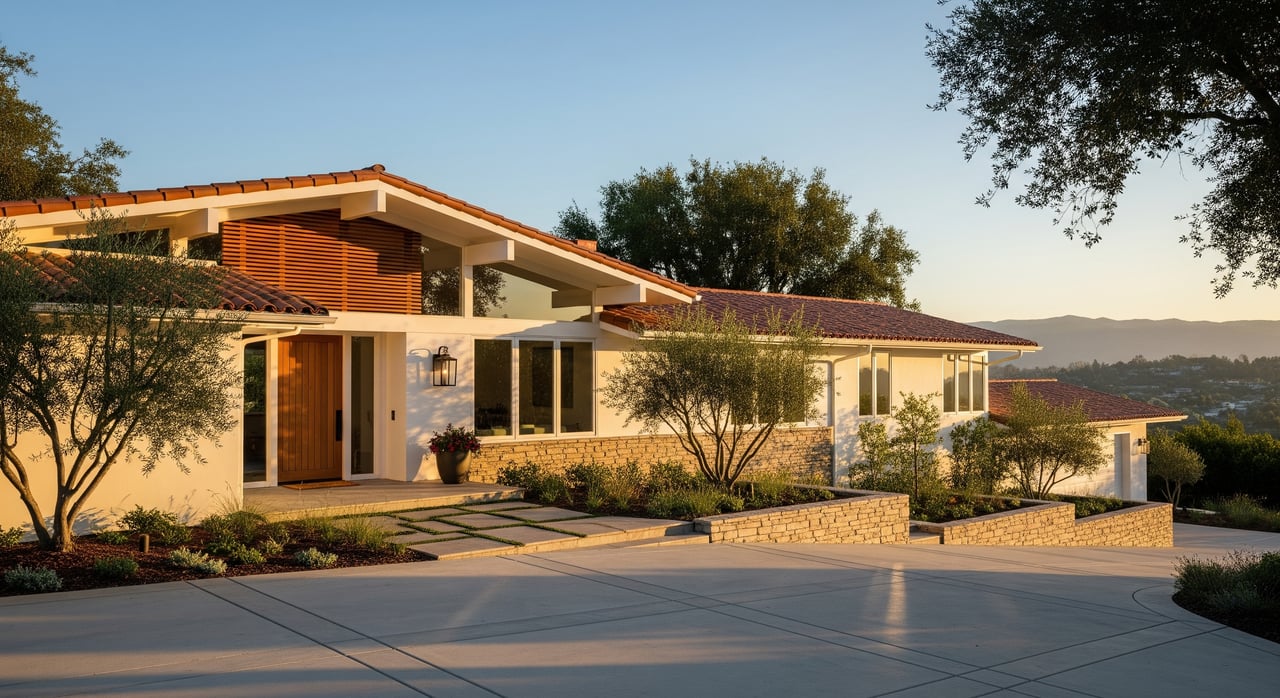
Love a sunlit Ranch with a big backyard, but also find yourself drawn to sleek glassy lines or classic red-tile roofs? In West Hills, you can find all of the above. The neighborhood’s mix of postwar tracts, hillside customs, and thoughtful remodels gives you real choice. In this guide, you’ll learn how to spot the main architectural styles, what buyers tend to love about each, and what to check during inspections and renovations so you can shop with confidence. Let’s dive in.
Why West Hills looks this way
West Hills grew rapidly after World War II as the San Fernando Valley expanded. That wave brought many single-level Ranch houses and Mid-Century designs, especially on flat suburban lots. Over time, remodels and newer infill homes added Spanish and Contemporary looks, including some hillside builds near the Santa Susana foothills.
Local site conditions also shape homes here. Most lots are flat and straightforward for additions, while hillside parcels require more planning for foundations, retaining walls, and drainage. Parts of West Hills are near brush, so wildfire risk can influence roofing choices, defensible-space landscaping, and insurance. If you plan to renovate, you’ll work within City of Los Angeles permitting and planning rules, and larger projects must meet current energy codes.
Ranch style at a glance
How to spot a Ranch
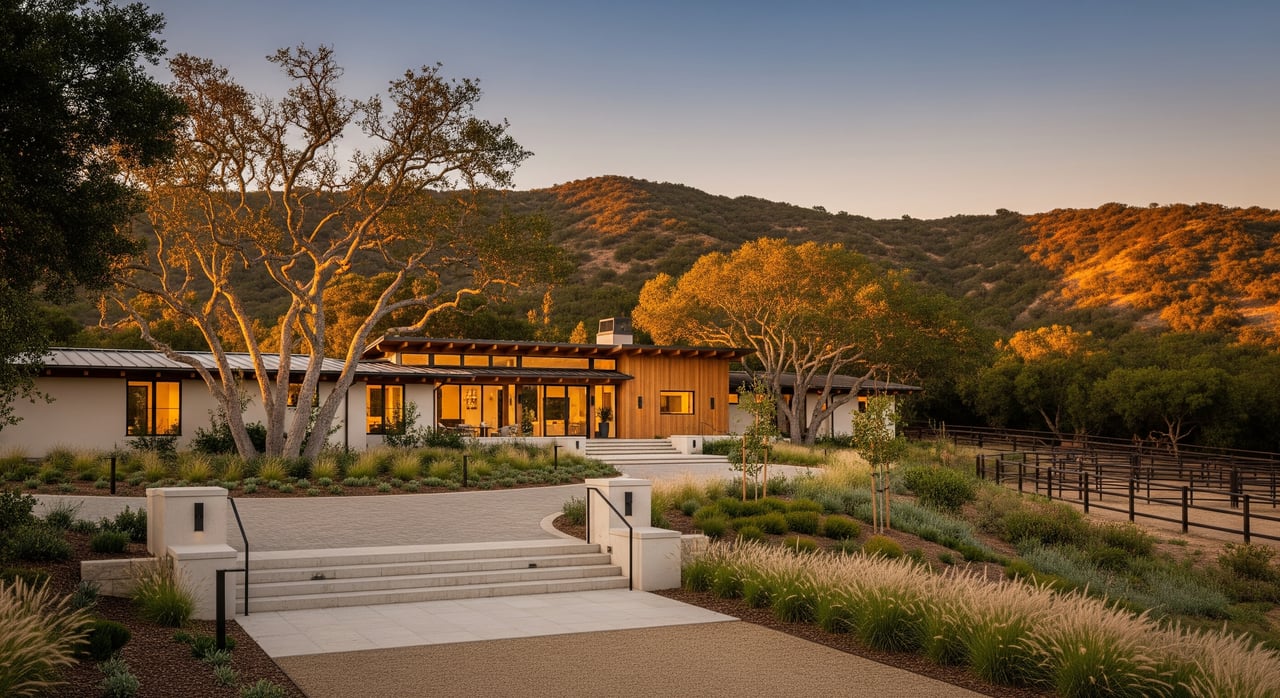
- Single story with a long, low profile
- Simple rooflines, often with attached garages
- Sliding doors or large windows to the yard or patio
- Stucco or wood siding with asphalt shingle roofs
Why buyers love it
Ranch homes make daily life easy. Single-level living supports accessibility and comfort for many households. Lots tend to be generous, with space for a pool, garden, or an accessory dwelling unit (ADU). These floor plans are also adaptable, so opening the kitchen to a family room or adding a bedroom often feels straightforward on flat lots.
What to check before you buy
- Roof age and type. Older asphalt shingles may be near end of life.
- Windows and insulation. Many Ranch homes still have single-pane windows and minimal insulation. Plan for energy upgrades on larger remodels.
- Foundation and drainage. Look for slab cracks, signs of settlement, and confirm water drains away from the home.
- HVAC and electrical. Older systems can be due for replacement to meet comfort and code expectations.
- Permits. Verify past remodels or additions were permitted and finalized.
Mid-Century Modern essentials
Signature features
- Clean lines and minimal ornament
- Open plans with clerestory windows or large glass walls
- Post-and-beam framing and exposed structural elements in some homes
- Strong indoor-outdoor flow that suits Valley light and climate
Buyer appeal
If you want light, openness, and a connection to the yard or views, Mid-Century often delivers. Original details can carry architectural cachet and hold value when intact. Many floor plans take well to sensitive updates in kitchens and baths that respect the home’s proportions.
Inspection and renovation tips
- Glazing and energy. Single-pane glass and little insulation are common. Upgrades improve comfort but may change the home’s look if not planned carefully.
- Structure and wood. Post-and-beam systems can hide termite damage or rot. Consider a closer structural review if you see exposed framing.
- Character vs. convenience. Balance modern updates with preserving signature features like beams, window layouts, and room scale.
- Roof and waterproofing. Large spans of glass and low-slope roofs need careful detailing to avoid leaks.
Spanish and Mediterranean notes
Defining traits
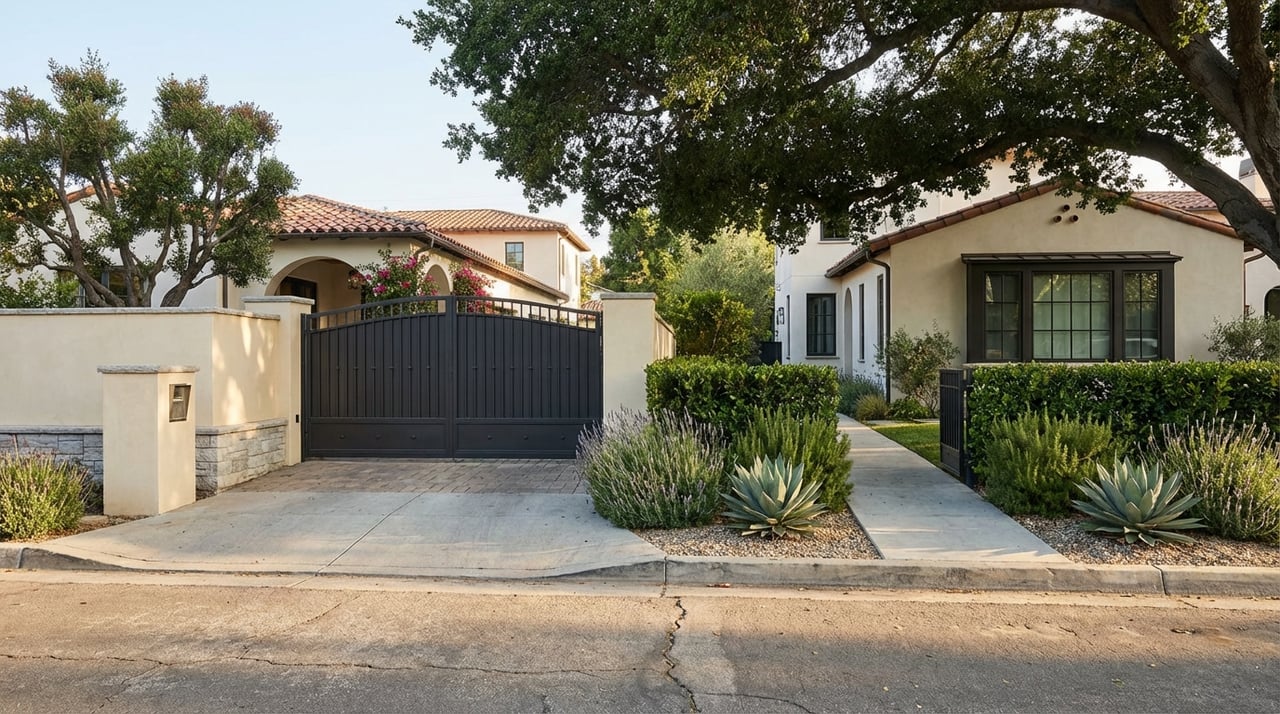
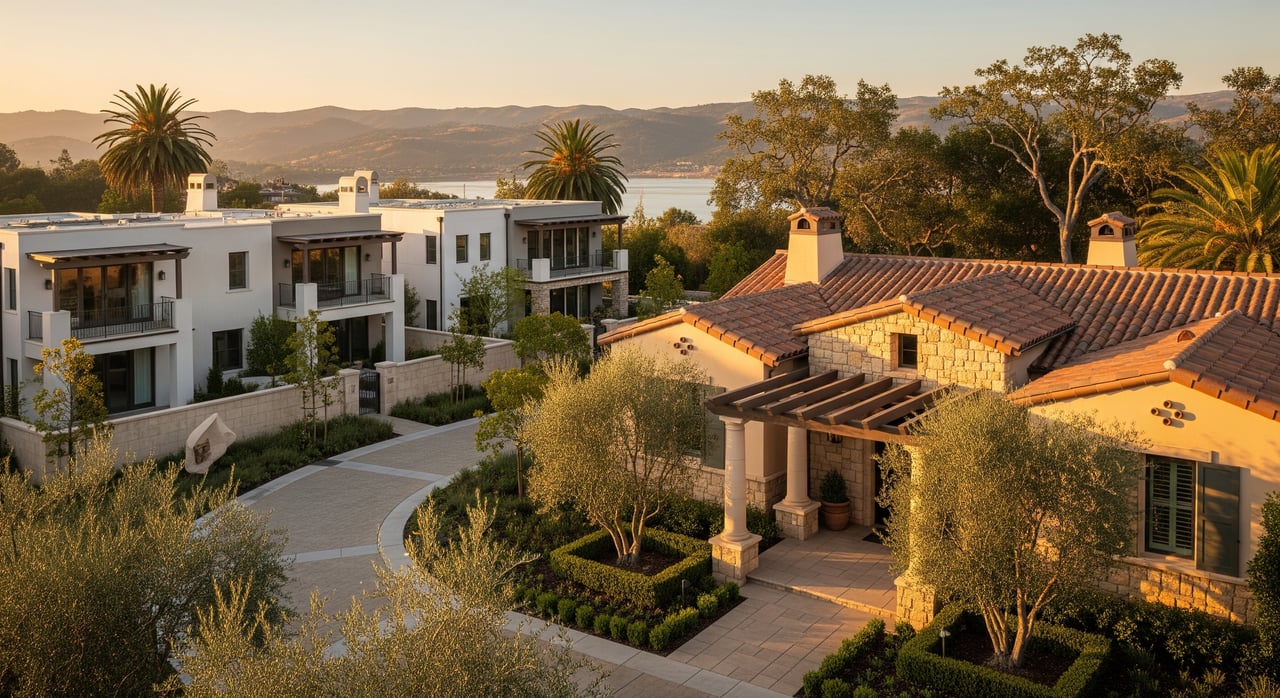
- Stucco walls and red clay tile roofs
- Arched doorways or windows with wrought-iron details
- Courtyards, patios, decorative tile, and wood beams
Why buyers choose it
Spanish-influenced homes feel at home in Southern California’s climate. Courtyards and patios support private outdoor living, while stucco and tile have a reputation for durability when installed correctly. Many West Hills homes started as postwar builds and later gained Spanish elements, so you will see a range of authenticity and finishes.
What to watch
- Tile roof weight and cost. Clay tile is long-lived but heavy. Confirm framing can handle the load and budget for higher replacement costs compared with shingles.
- Stucco maintenance. Hairline cracks and poor flashing can let in water. Inspect around windows, decks, and roof-to-wall intersections.
- Decorative finishes. Replacing or extending custom tile or plaster can be costly. Factor this into remodel plans.
Contemporary and newer builds
What defines it
- Asymmetrical forms and varied or flat rooflines
- Large windows, multi-level interiors, and open plans
- Emphasis on energy-efficient systems and modern materials
Why buyers value it
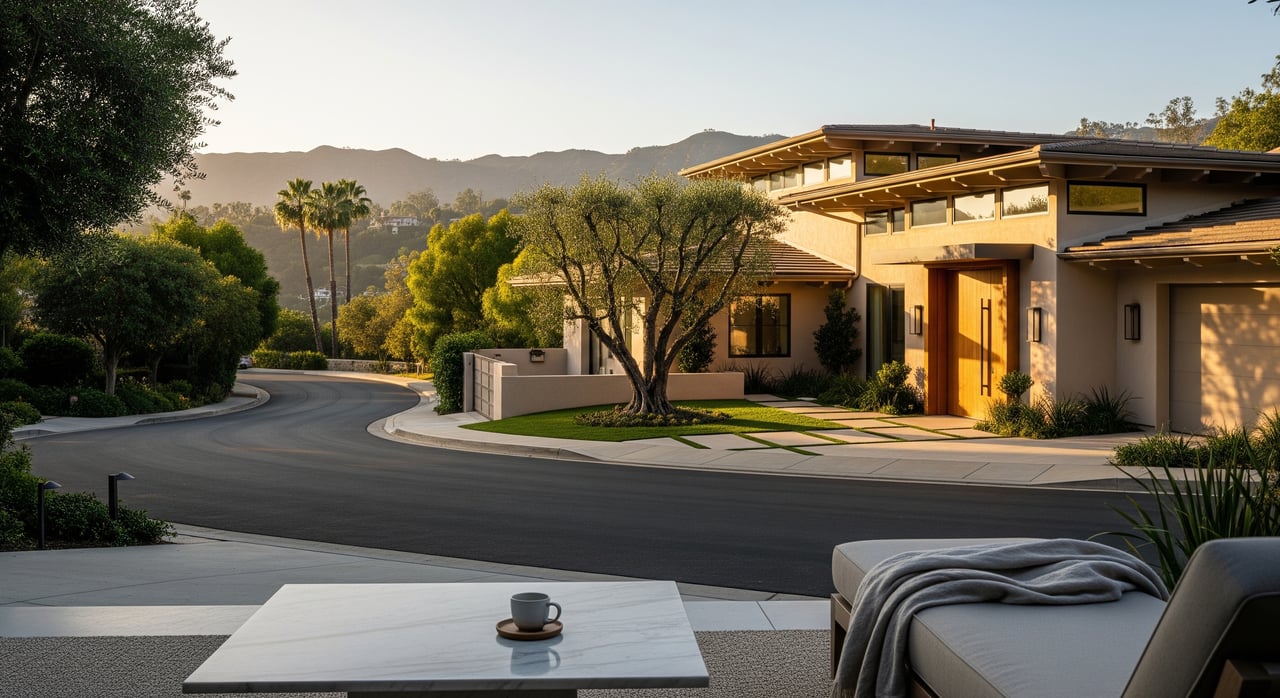
Contemporary homes tend to feel turnkey. You get large glass, high ceilings, modern amenities, and smart-home infrastructure. On hillside lots, these homes often capture great views and outdoor terraces.
Due diligence focus
- Hillside engineering. Review geotechnical and structural details for slope stability, retaining walls, and drainage.
- Waterproofing. Flat roofs and modern assemblies rely on precise detailing. Inspect membrane and flashing conditions.
- Code compliance. Newer construction must meet current seismic, fire-safety, and energy standards. Verify permits and final approvals.
Match style to lifestyle
- Single-level living and accessibility: A Ranch can minimize stairs and support aging in place.
- Architectural character: If you value period details, a Mid-Century with intact features may be the right fit.
- Low-maintenance exteriors: Quality stucco and tile roofs can be durable. Inspect installation and flashing closely.
- Views and modern amenities: A Contemporary hillside home can offer vistas and a fresh systems package but often with more complex maintenance.
Renovation, permits, and ADUs
Planning a remodel or an ADU in West Hills means working within City of Los Angeles permitting and zoning rules. On flat lots, additions and ADUs are often more straightforward. Hillside properties require extra review and reports. For major remodels, expect energy-related upgrades like new windows, insulation, and HVAC to meet current standards.
If you are considering an ADU for extra space or rental income, assess your lot configuration, setbacks, and utility access early. Permits and plan checks help avoid surprises during appraisal, financing, or resale.
West Hills buyer checklist
Use this quick list across styles to focus your due diligence:
- Permit history: Confirm past additions, garage conversions, and ADUs were permitted and finalized.
- Roof: Note material, age, and condition. Flat roofs and clay tiles need specialized review.
- Foundation and grading: Look for slab cracks, settlement, and proper drainage away from the structure.
- Windows and insulation: Identify single-pane versus upgraded glazing and check attic and wall insulation where accessible.
- Systems: Evaluate HVAC age, ducting, electrical panel capacity, and plumbing material.
- Water intrusion: Inspect stucco cracks, window flashing, decks, and roof-to-wall areas.
- Termite/pest: Older wood framing and exposed beams merit a pest inspection.
- Hillside reports: For sloped lots, obtain structural and geotechnical evaluations.
- Fire risk: If near brush, review defensible space, roofing materials, vents, and ember-resistant features.
The right team matters
Choosing a home style is personal. Getting the details right is practical. You deserve a guide who understands the architecture, the local permitting process, and how financing intersects with inspections and timelines. Newline Grp pairs hands-on brokerage with in-house mortgage expertise, so you can align your search, due diligence, and loan strategy without extra handoffs. Whether you are a first-time buyer, self-employed borrower, or moving up for more space, we can help you compare styles, plan upgrades, and structure financing that fits your goals.
Ready to explore West Hills homes with confidence? Schedule a friendly, no-pressure consult with Newline Grp today.
FAQs
What architectural styles are most common in West Hills?
- Ranch and Mid-Century homes are most common due to postwar development, with Spanish-influenced remodels and newer Contemporary builds also present.
How do hillside lots affect West Hills home purchases?
- Hillside homes can offer views but often require geotechnical and structural reviews, careful drainage planning, and additional city planning steps.
What energy upgrades should I expect on older West Hills homes?
- Older Ranch and Mid-Century homes often need window, insulation, and HVAC upgrades during larger remodels to meet current energy standards.
Are clay tile roofs a benefit on Spanish-style homes?
- Clay tile roofs are long-lived and attractive, but they are heavy and can be more expensive to repair or replace; confirm framing capacity and condition.
What permits matter most when buying a remodeled West Hills home?
- Verify permits and final inspections for additions, garage conversions, ADUs, and major system upgrades to avoid financing or resale issues.
How do ADUs fit into West Hills properties?
- Many flat-lot homes are good candidates for ADUs, but you should check setbacks, utilities, and permitting rules early in your planning.