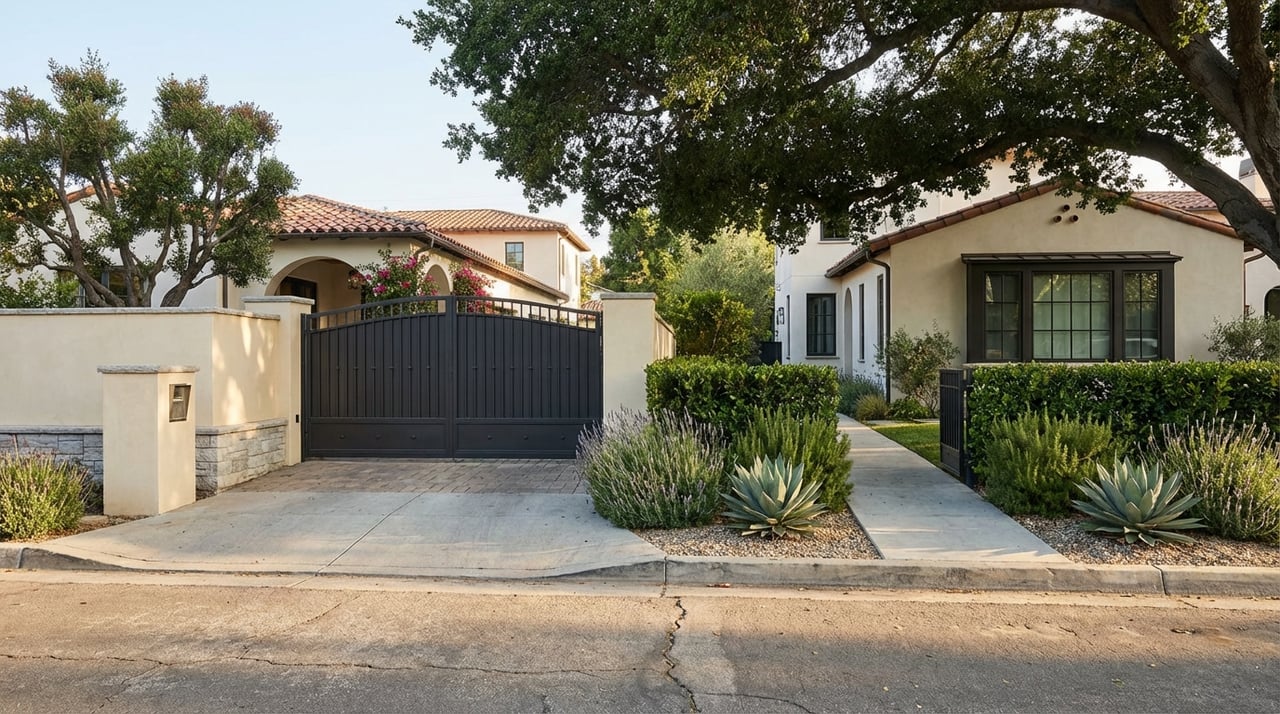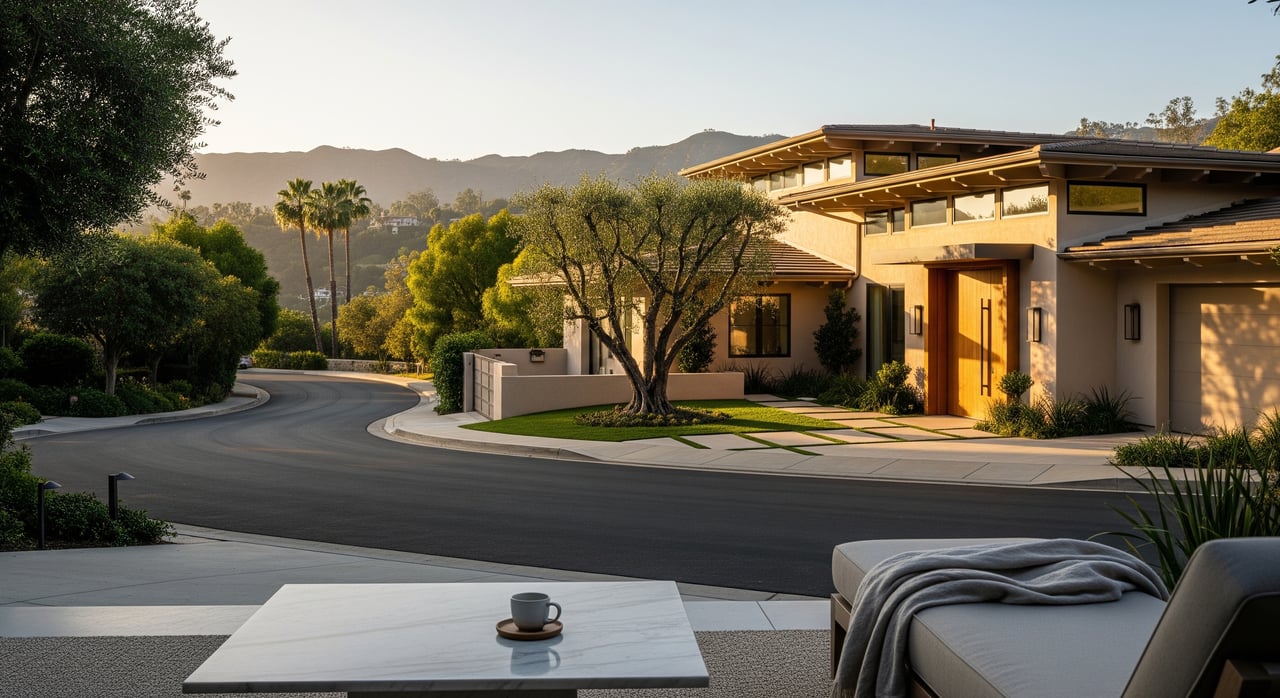
Trying to decide between a townhome and a single-family home in Westlake Village? You are not alone. Each option offers a different mix of cost, maintenance, space, and long-term potential, and the right fit depends on how you plan to live and what you want from your investment. In this guide, you will learn how monthly costs break down, what HOAs really cover, how privacy and outdoor space compare, and what to look for during due diligence. Let’s dive in.
Westlake Village at a glance
Westlake Village sits at the western edge of the Los Angeles metro and partly overlaps Ventura County. That means taxes, school assignments, and local rules can change from one block to the next based on the specific parcel. Always confirm details with the county assessor, city planning department, and the local school district for the exact address you are considering.
This is an upper-tier suburban market with master-planned neighborhoods, gated communities, and several townhome communities. Single-family homes tend to attract buyers who want more privacy and yard space. Townhomes appeal to downsizers, professionals who want lock-and-leave ease, and buyers looking for lower maintenance. Market activity in Southern California has been sensitive to mortgage rates and inventory since 2022, and Westlake Village’s constrained land supply often supports values. Check current MLS data for the latest pricing and days on market when you are ready to compare specific homes.
Costs today: purchase price and closing
Purchase price patterns
In Westlake Village, single-family homes typically command a premium over townhomes. The main reasons are land value, larger private outdoor space, and greater privacy. That premium can range from tens to hundreds of thousands of dollars depending on lot size, location, views, and the age and finish level of the home.
Closing costs you should expect
Whether you buy a townhome or a single-family home, you will see similar closing costs, including escrow, title, lender fees, transfer taxes where applicable, and inspections. For townhomes, lenders may require a deeper review of HOA documents. Some townhomes are legally condominiums, which come with different underwriting rules than planned unit developments.
Monthly carrying costs: what changes by property type
Mortgage and property taxes
If you pay more for a single-family home, your monthly principal and interest will be higher. California’s base property tax rate is generally around 1 percent of the assessed value under Prop 13, plus any local bonds or special assessments such as Mello-Roos. These are parcel-specific, so verify them with the county assessor for the address you are evaluating.
HOA dues and what they cover
Townhomes commonly include HOA dues. In suburban Southern California, dues can range from a few hundred dollars per month to well over a thousand in amenity-rich communities. Higher dues often reflect more services like exterior maintenance, landscaping, common area insurance, pools, or security. Some single-family neighborhoods also have HOAs, but fees are often lower and cover only shared amenities or gate maintenance. Always compare what is included and review budgets and reserve studies to gauge the likelihood of increases or special assessments.
Utilities and insurance
Single-family homes often carry higher individual utility costs for landscaping, water, exterior lighting, and heating or cooling larger spaces. In many townhome communities, the HOA maintains common area landscaping and sometimes covers certain utilities for common areas, which is reflected in the dues.
Insurance works differently by property type. Single-family homes usually require an HO-3 policy that covers the structure and contents. Townhome and condo owners typically carry an HO-6 walls-in policy for interior finishes and personal property, while the HOA’s master policy covers common elements. Earthquake insurance is separate in California and is often recommended. Wildfire exposure, especially in hillside or brush-adjacent areas, can affect availability and premiums, so factor that into your budget.
HOAs: services, rules, and risk
What HOAs manage
Townhome HOAs typically handle exterior maintenance, roofs, common landscaping, and common area insurance. They also enforce community rules related to parking, pets, and rentals. The exact scope depends on whether the property is a condominium or a planned unit development. Read the documents carefully so you know where your responsibilities begin and end.
Why HOA health matters
Underfunded reserves, pending litigation, or frequent special assessments can change your true cost of ownership and impact resale. Lenders also scrutinize HOA financials for condominium projects, and a financially weak association can limit financing options. Short-term rentals are often regulated by city and county ordinances and may be restricted by HOAs, so confirm rental policies before you buy with rental income in mind.
Maintenance and time commitment
Single-family ownership
With a single-family home, you are responsible for everything inside and out. That includes the roof, exterior, yard, irrigation, fencing, and driveway. A commonly cited rule of thumb is to set aside 1 to 3 percent of the home’s value per year for maintenance and repairs, though actual costs vary. You will also have greater control over upgrades and renovations.
Townhome ownership
HOAs often manage exterior elements and common systems, which can reduce your direct maintenance tasks and smooth out some expense spikes. Your responsibility is typically the interior and any limited-use elements like a patio or small private yard. The tradeoff is less control over exterior changes and a reliance on the HOA’s budgeting and planning.
Lifestyle: privacy, space, and convenience
Privacy and noise
Townhomes share at least one wall and sometimes floors or ceilings. Modern construction can provide good sound insulation, but experiences vary by complex and building age. Single-family homes usually offer more privacy and separation from neighbors.
Outdoor space and ADU potential
Single-family homes typically offer larger yards and the possibility of adding a pool or an accessory dwelling unit if zoning allows. California has relaxed ADU rules statewide, but you still need to follow local design, parking, and review processes. Townhome communities may limit expansions or exterior changes through HOA rules.
Parking and daily convenience
Single-family homes usually provide private driveways and garages with better on-site guest parking. Townhomes often have assigned garage spaces and may have stricter guest parking rules. Many townhome communities sit closer to commercial centers, which can be convenient for commuting and errands.
Resale dynamics: who buys what and why
Buyer pools in Westlake Village
Townhomes often attract first-time buyers, young professionals, and downsizers who want lower maintenance. Rental-minded buyers may consider them too, but rental caps or minimum lease terms can apply. Single-family homes usually draw buyers who want more bedrooms, yard space, and fewer restrictions on customization.
Appreciation and liquidity
In land-constrained suburban markets like Westlake Village, demand for single-family homes often stays strong over the long term, which can support appreciation. Townhome values can grow too, especially when entry-level options are scarce or when HOA amenities are in high demand. Townhome pricing can be more sensitive to HOA health, the supply of similar units, and condo financing availability. Single-family pricing tends to hinge on lot quality, location, and structural condition.
Financing details that can shape your choice
Condo approvals vs PUDs
If the townhome is legally a condominium, certain loans require the project to meet approval standards. FHA and VA programs use approved lists and underwriting checks for the condo project itself. Planned unit developments, where you own the land and share common areas, are often simpler to finance. Confirm the legal structure and the project’s approval status early.
Insurance and risk considerations
For townhomes and condos, make sure you understand the HOA’s master insurance coverage and where your individual HO-6 policy needs to begin. Ask if the master policy is walls-in or all-in, and what the deductible is. For both property types, evaluate earthquake and wildfire insurance options based on parcel-specific risk.
A simple decision framework
Common buyer scenarios
- Budget-focused or first-time buyer: a townhome can offer a lower entry price, but weigh HOA dues and financing constraints for condominiums.
- Growing household: a single-family home usually offers more bedrooms, yard space, and flexibility for future changes like an ADU.
- Downsizer or frequent traveler: a townhome delivers low maintenance and a lock-and-leave lifestyle.
- Investor or occasional rental: confirm local short-term rental rules and HOA restrictions, and consider financing options that fit your plan.
What to ask before you write an offer
- What is the legal structure for the townhome: condominium or planned unit development?
- Are there current or planned special assessments? What do the reserves and annual budget look like?
- Is the HOA involved in any litigation that could affect financing or costs?
- What does the master insurance policy cover, and what falls to the owner’s HO-6 policy?
- Is the condo project FHA or VA approved if you plan to use those programs?
- Are there parcel-specific taxes, Mello-Roos, or other assessments?
- What are typical monthly utilities and ongoing maintenance costs for this property?
- For single-family: the age and condition of roof, HVAC, pool equipment, and other major items.
- What are the local school boundaries and commute times that matter to you?
- Does the parcel sit in a wildfire severity zone or a flood zone that could affect insurance?
Inspection and due diligence highlights
Townhome or condominium
- Review CCRs, bylaws, meeting minutes, reserve study, current budget, and insurance declarations.
- Ask about any pending claims or litigation.
- Inspect shared systems and building envelope items like roof, siding, drainage, and common plumbing runs.
- Consider noise transmission by unit layout and construction quality.
Single-family home
- Inspect lot drainage, retaining walls, and whether the property is on sewer or septic.
- Evaluate roof and attic, HVAC, pool and spa equipment, and irrigation systems.
- Explore feasibility for future changes such as an ADU or expansion under local zoning.
Both property types
- Order termite and general home inspections and review any past water intrusion history.
- Confirm utility condition, including electrical and plumbing.
- Align the inspection timeline with HOA document review if applicable.
Build your side-by-side budget
- Estimate purchase price for each option and calculate monthly principal and interest using current rates.
- Add a property tax estimate at roughly 1 percent of the price plus parcel assessments.
- Include HOA dues for the townhome and any community dues for the single-family home.
- Add utility estimates and insurance premiums for each property type, including earthquake coverage if you plan to carry it.
- For the single-family home, add an annual maintenance reserve in the 1 to 3 percent range and divide by 12. For the townhome, consider lower direct maintenance but factor in HOA dues and reserve contributions.
- Compare the totals against your comfort level and long-term plans for appreciation and lifestyle.
The bottom line
If you want maximum privacy, outdoor space, and flexibility, a single-family home in Westlake Village will likely fit your lifestyle. If you value lower maintenance, predictable exterior upkeep, and a convenient location, a townhome can be a smart way to live in this market without taking on all exterior responsibilities. Because parcel-specific taxes, HOA health, and insurance risk can change your numbers, build your budget with current data and a careful review of documents.
You do not have to figure this out alone. With integrated brokerage and in-house mortgage expertise, we can model both paths, explain HOA reviews and condo financing, and help you compare monthly costs line by line. Prefer Spanish? Estamos aquí para ayudarte. When you are ready, connect with Newline Grp to map the best fit for your goals.
FAQs
How do prices of townhomes vs single-family homes compare in Westlake Village?
- Single-family homes typically sell for more than townhomes due to land and privacy, often by tens to hundreds of thousands of dollars depending on lot size, location, views, and finish level. Check current MLS data for specific comps.
What do HOA dues usually cover for Westlake Village townhomes?
- Dues often cover exterior maintenance, roofs, common landscaping, common area insurance, and amenities like pools or security. Review the budget, reserve study, and minutes to gauge future increases or special assessments.
Is financing a townhome harder than a single-family home?
- If the townhome is legally a condominium, some loans require the project to meet approval standards, which can limit options. Planned unit developments are often simpler to finance. Confirm structure and approvals early.
Which property type is better for families with kids and pets in Westlake Village?
- Many families prefer single-family homes for private yard space and flexibility. Townhomes can still work well, but check HOA pet rules, outdoor space, and nearby parks to ensure the layout fits your routine.
How do insurance costs differ between townhomes and single-family homes?
- Single-family owners typically carry HO-3 policies covering the structure and contents. Townhome owners usually carry HO-6 walls-in policies while the HOA covers common elements. Earthquake insurance is separate for both and wildfire exposure can increase premiums.
What affects resale the most in Westlake Village?
- For single-family homes, lot quality, location, and condition are key. For townhomes, HOA health, dues level, amenities, and condo financing availability play a larger role. Land scarcity in the area often supports demand for single-family homes over time.
Are there local rules or risks I should check before buying?
- Yes. Confirm parcel-specific taxes and assessments, HOA rental and pet rules, short-term rental restrictions, wildfire and flood designations, and any city or county zoning that affects ADUs or expansions. Always verify details for the exact address.