Wondering what a typical Tuesday looks like in Woodland Hills? If you’re weighing a move, you probably care less about splashy listings and more about how life actually feels from breakfast to bedtime. In this guide, you’ll get a clear picture of the neighborhood’s rhythms, from commutes and errands to parks, dining, and weekend routines. You’ll also find neutral comparisons to nearby areas so you can decide if the vibe fits your day-to-day. Let’s dive in.
Neighborhood vibe at a glance
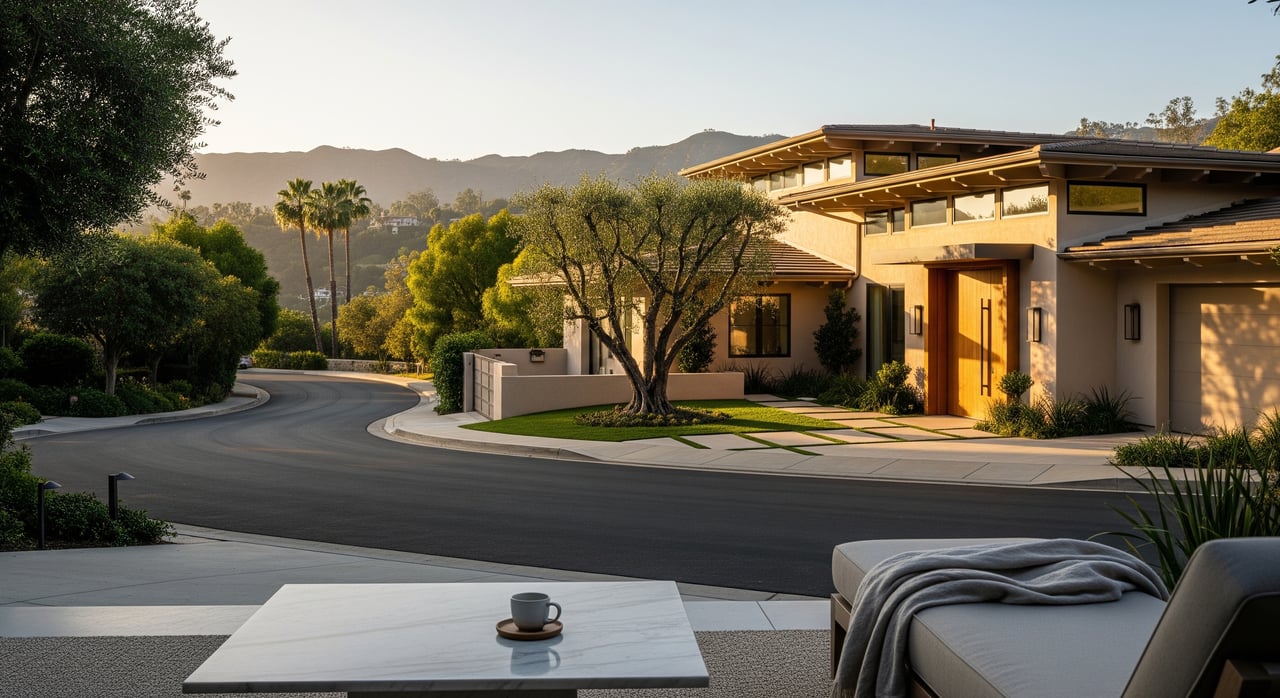
Woodland Hills sits in the western San Fernando Valley, within the City of Los Angeles. The landscape shifts from flat residential streets to hillside pockets with views of the valley and the Santa Monica Mountains. At the center, Warner Center anchors office, retail, and medical uses, which shapes weekday energy and lunch spots.
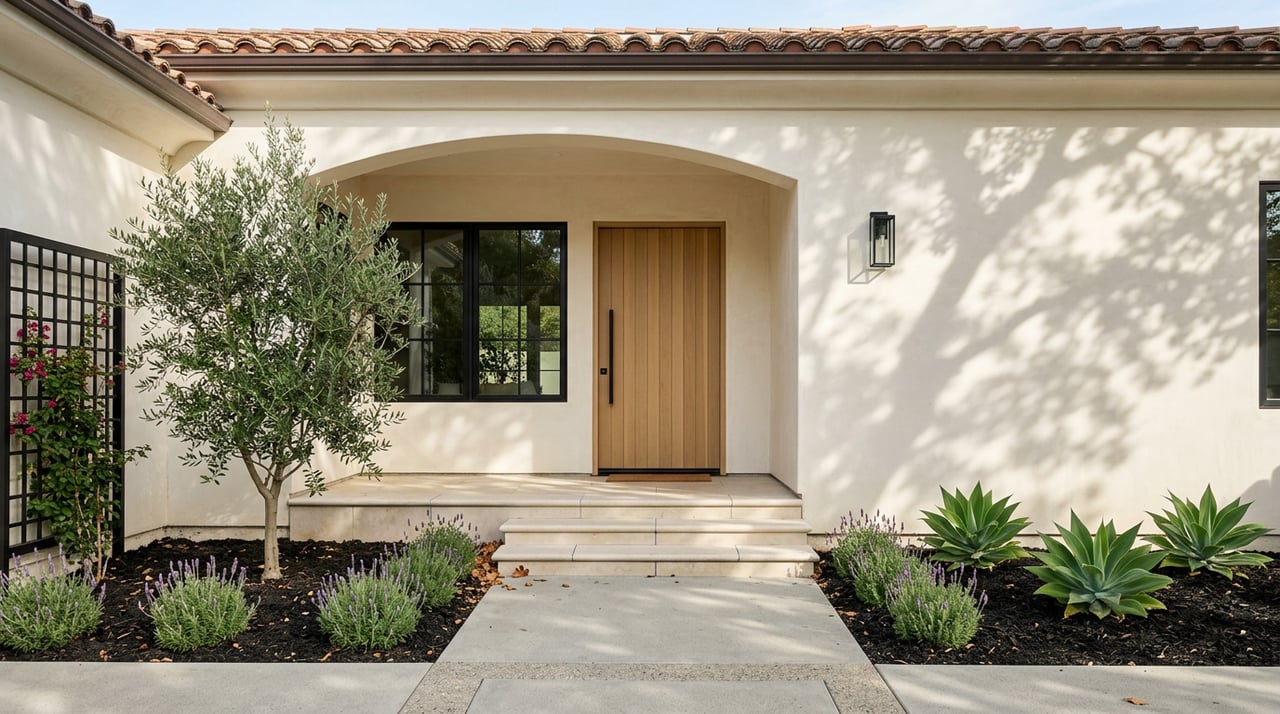
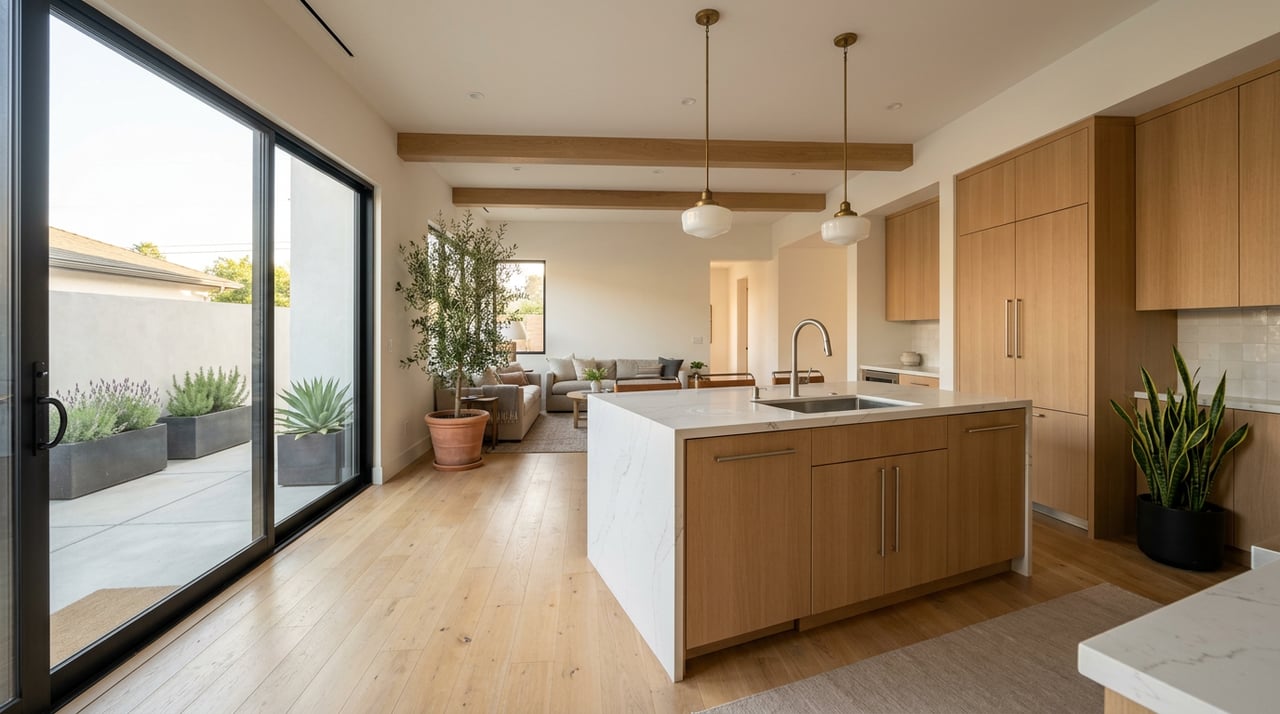
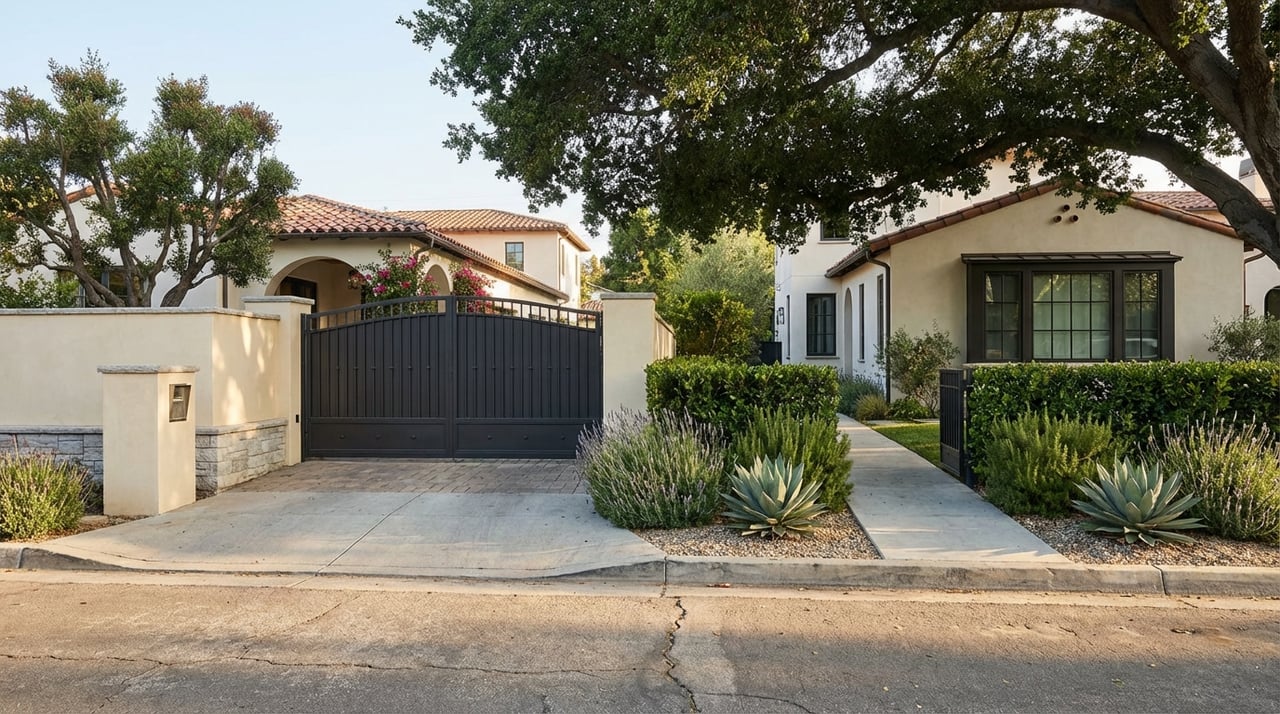
You’ll find a wide mix of homes. Single-family houses are common throughout, while apartments and townhomes cluster near major corridors and around Warner Center. Styles run from mid-century ranch to newer developments, and hillside areas often offer larger lots.
The overall feel is suburban with city conveniences. Most daily needs are a short drive, and many households choose Woodland Hills for space, access to outdoor recreation, and a calmer pace compared with denser parts of Los Angeles.
Getting around and daily routines
Woodland Hills is car oriented. Most residents drive for errands and work, and you’ll plan your weekday flow around a few key routes.
Commuting snapshot
- The Ventura Freeway (US 101) links you east and west across the Valley, and Topanga Canyon Boulevard provides a direct north to south route toward the coast.
- Peak hours bring congestion on freeways and arterials, especially for trips to downtown Los Angeles or the Westside.
- Local and municipal buses serve main corridors, but service frequency is more limited than central LA neighborhoods. There is no subway or light rail station in Woodland Hills.
- Biking works for short trips on flatter streets. Hillside pockets are steeper, so expect to rely on your car for most errands.
Work-from-home and hybrid
Many office workers maintain hybrid schedules. Warner Center’s offices and redevelopment plans influence local daytime activity, so coffee shops and lunch spots see steady weekday traffic. If you work from home, early morning or evening errands can help you avoid the busiest drive times.
Errands and everyday shopping
Daily errands are straightforward. Supermarkets, pharmacies, and neighborhood shopping centers are spread across the community, usually a quick drive from residential streets. Bigger retail and home-improvement runs are also close, with regional centers reachable within 5 to 20 minutes depending on where you live in the neighborhood and the time of day.
Ventura Boulevard and major cross streets feature a mix of local businesses and national brands. You’ll see coffee shops, dry cleaners, fitness studios, and casual dining in compact clusters along these corridors, which makes short-stop errands easy to combine in one trip.
Parks, trails, and outdoor life
If you love fresh air, Woodland Hills puts large open spaces within easy reach. Topanga State Park and the broader Santa Monica Mountains network sit along the neighborhood’s southern edge. Trailheads lead to hiking, trail running, mountain biking, and scenic overlooks.
Local parks provide sports fields, playgrounds, and community programming. Many residents build outdoor time into weekday routines, like quick morning walks or evening dog outings. Weekends often mean longer hikes, backyard BBQs, or a beach day when traffic cooperates.
A weekday that feels like you
A typical weekday is steady and practical. Mornings start with coffee at a local café or at home, then school drop-off or a commute along the 101. If you work nearby or from home, lunch often happens close to Warner Center or along Ventura Boulevard.
Afternoons bring errands and kids’ activities at parks or community centers. Evening options are low stress. You might fit in a short trail walk before sunset, grab takeout from a casual spot, or gather with neighbors on the patio. The climate supports year-round outdoor living, so expect plenty of time outside even on weeknights.
Weekend rhythms
Weekends move at a comfortable pace. Mornings often start with a farmers market visit, a popular brunch window from 9 to 11 am, or an early hike to beat the heat. As the day warms up, families head to parks, pools in summer, or youth sports.
Afternoons are for shopping runs or meeting friends at a café. Depending on traffic, the beach can be a 30 to 60 minute drive, so many residents pick their window carefully. Evenings stay relaxed with casual dining, a movie, or a neighborhood gathering.
Dining and coffee culture
Expect a practical mix of options. You’ll find family-friendly menus, quick-service favorites, and sit-down restaurants sprinkled near commercial centers. Coffee shops and brunch spots do brisk business on weekends. Trend-forward eateries cluster near busier corridors and at larger retail hubs, while classic Valley staples line stretches of Ventura Boulevard.
Nightlife is present but low key. There are bars, lounges, and pubs, though late-night options and live venues are more limited than central LA. If you want a bigger night out or a wider theater lineup, many residents head to nearby Studio City, Sherman Oaks, or the Westside.
Schools and learning
Public schools in Woodland Hills are part of LAUSD, and there are charter and private options in and around the community. School boundaries can change, and performance varies by campus. If schools are part of your decision, review LAUSD boundary maps and the California School Dashboard for current information. Private school options nearby add to your choices, and commute patterns often factor into what feels right for your family.
Safety and everyday services
As part of the City of Los Angeles, Woodland Hills receives city police, sanitation, and library services. Like any large urban area, crime patterns vary by pocket, street, and time. Reviewing LAPD neighborhood crime maps and recent local reports can help you understand trends for the blocks you are considering.
Healthcare access is straightforward. You’ll find primary care and urgent care close by, with several hospitals in the broader West Valley area. Most residents have their medical, dental, and specialty appointments within a short drive.
Walkability, noise, and micro-neighborhoods
Walkability depends on where you land. Residential blocks are typically calm, with sidewalks in many areas and local parks a quick drive away. Corridors near Warner Center and Ventura Boulevard offer more places to walk between cafés, shops, and services.
Noise varies too. Hillside streets and deeper residential tracts often feel quieter, while homes near major arterials and commercial hubs experience more daytime activity. Touring at different times of day can help you pick your preferred setting.
How Woodland Hills compares
- Compared with Calabasas: Woodland Hills is within the City of Los Angeles and feels more connected to the Valley grid. Calabasas often presents lower-density pockets and more gated communities.
- Compared with Sherman Oaks or Studio City: Woodland Hills sits farther west and can feel more suburban with larger lots in some areas. Sherman Oaks and Studio City offer denser stretches of Ventura Boulevard and closer access to certain studio and employment hubs.
- Compared with Simi Valley or Thousand Oaks: Those are separate cities with their own municipal services and a distinct suburban pattern. Woodland Hills keeps you within LA city services while offering similar access to open space.
Tips to choose your pocket
- Map your commute and try it during peak hours to test your tolerance.
- Note whether a flat street or hillside setting fits your routine.
- Visit trailheads, parks, and shopping areas you expect to use each week.
- If schools matter, verify boundaries and program offerings before you fall in love with a home.
- Tour homes at morning, late afternoon, and evening to gauge light, traffic, and noise.
Ready to explore homes here?
If Woodland Hills matches your lifestyle, you can simplify your next steps with a team that handles both the real estate and the mortgage conversation under one roof. With education-first guidance, bilingual service, and local expertise, Newline Grp helps you move from search to financing with fewer handoffs and more clarity. Hablamos español. Let’s make your move simple.
FAQs
What is commuting like in Woodland Hills?
- Most residents drive and plan around the Ventura Freeway and Topanga Canyon Boulevard, with bus routes on major corridors and no local rail stations.
Is Woodland Hills walkable for daily errands?
- Walkability varies by micro-neighborhood, with more walkable pockets near commercial corridors and most errands done by car in residential areas.
What outdoor options do residents use most?
- Many residents frequent Topanga State Park and Santa Monica Mountains trails, local parks, and occasional beach trips depending on traffic and timing.
How are the public schools in Woodland Hills?
- Public schools are part of LAUSD, with charter and private options nearby; review current boundary maps and performance dashboards for the most accurate picture.
What is the dining and shopping scene?
- You’ll find a mix of local and national spots along Ventura Boulevard and near Warner Center, plus regional shopping centers within a short drive.
How does Woodland Hills compare to nearby areas?
- It offers a suburban feel within Los Angeles city services, with differences in density and access compared with Calabasas, Studio City, Sherman Oaks, and nearby Ventura County cities.
Are there community events in Woodland Hills?
- Neighborhood councils and local business groups host periodic markets, fairs, and community programs that bring residents together throughout the year.